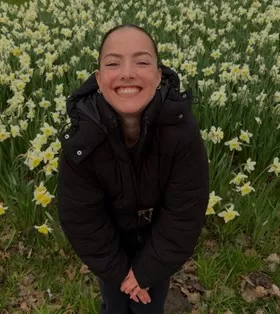

Taliza (26) on living with sickle cell disease and her stem cell transplant
Taliza lived for many years with the consequences of sickle cell disease. Her childhood was marked by pain, hospitalizations, and uncertainty about the future. Thanks to a stem cell transplant from her brother Devon, her life changed forever. In this story, she shares what that period was like and what it means to be given a second chance.
Page content
Living with sickle cell disease
My name is Taliza. I am 26 years old and recently moved to the Netherlands. When I was only six months old, I was diagnosed with sickle cell anemia. From that moment on, my life revolved around being careful, avoiding pain, and dealing with uncertainty. However, everything changed on September 1, 2016: the day I received stem cells from my brother Devon. Thanks to him, I can now say that I have a future again.
After I was born, doctors did not know for a long time what was wrong with me. One day, my parents noticed that I was not using or moving my left arm. Eventually, blood was drawn from that arm, and the diagnosis came: sickle cell anemia.
Sickle cell anemia is a serious blood disorder in which red blood cells become deformed into a sickle or crescent shape. As a result, oxygen is transported less efficiently throughout the body. In my case, this caused intense, stabbing pain in various parts of my body: my jaw, neck, back, knees, wrists, breastbone, and arms.
The biggest triggers were physical exertion and temperature changes. This made it extra challenging because I was born in Aruba, a warm island where life largely takes place outdoors.
Always being careful
As a child, I constantly had to think about things that are very normal for others. Going to the beach or swimming pool meant being cautious. Moving from a cold room to the warm outdoor air could already trigger symptoms. I was not allowed to walk on cold tiles with bare feet and always had to wear a sweater in the evening because of the wind. After a swim in the pool, I had to immediately take a warm bath.
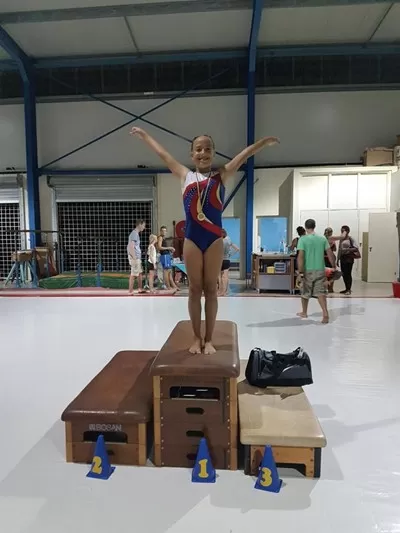
I loved gymnastics, but the physical strain often led to a crisis. As a result, my life felt like I was constantly balancing on a thin line: enjoying fun activities, but always taking the consequences into account.
A childhood full of hospitalizations
My childhood consisted of hospital admissions, days at home sick, and falling behind at school. On top of that, there was the constant fear of the next crisis. The stress experienced by my parents and brother also played a major role.
During my teenage years, it only got harder. Sometimes I was back in the hospital every two to three weeks. I received blood transfusions, experienced a lot of pain, and had to deal with infections, IV drips, blood tests, and heavy medication. At the same time, I tried to keep up with school.
At some point, I could no longer imagine a future in which I would truly be healthy.
The search for a donor
After discussions with my pediatric hematologist, we concluded that a stem cell transplant would offer the best chance for a better quality of life. A stem cell donor therefore had to be found.
In my case, this fortunately happened quickly. My brother Devon turned out to be a match and ultimately became my donor. That moment meant everything to me and my family.
The chance of finding a match within the family is less than 30%. This means that the majority of patients need a stem cell donor from the global registry. The chance of finding a match is small, which is exactly why it is so important that as many people as possible register!
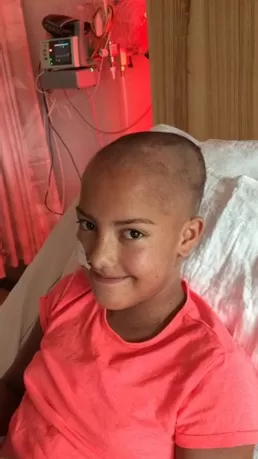
A new beginning in the Netherlands
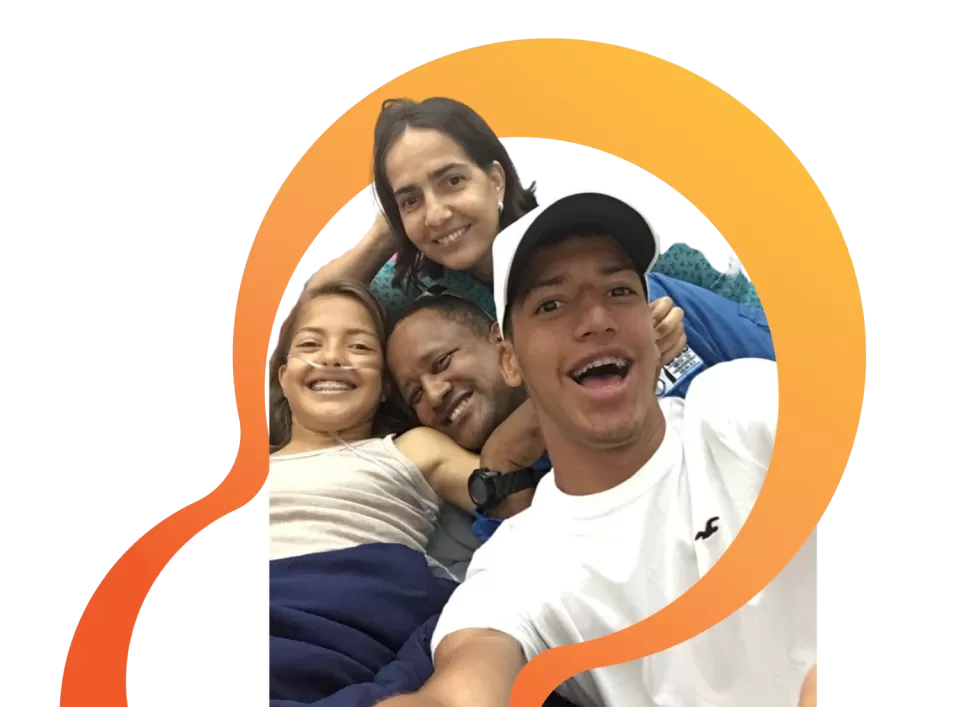
In 2016, my mother, father, brother, and I temporarily moved to the Netherlands for the treatment. In total, we stayed here for about ten months. For two of those months, I was hospitalized at the LUMC.
On September 1, 2016, I received the stem cells from my brother.
The period of chemotherapy, medication, and hospital stays was tough, but after I was discharged, I slowly began to feel better. For the first time in my life, I experienced what it was like not to constantly be afraid of pain or another crisis.
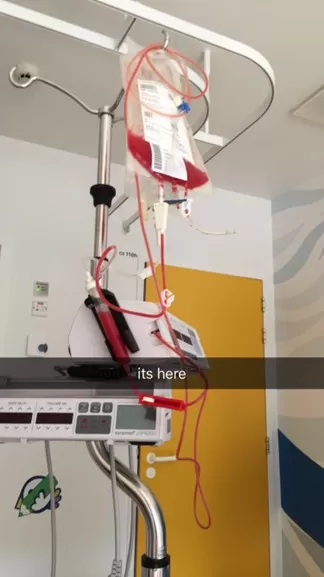
“Thanks to my brother, I have my life back”
To this day, there is no longer any sign of sickle cell anemia in my blood. I am grateful for that every single day.
My brother has literally given me a second chance. I don’t know what my life would have looked like without him. Thanks to his donation, I got my life back and can now live a normal life without constant pain.
And to me, that remains the greatest gift anyone could ever give.